Dylan Thomas is a Welsh poet with an unmatched understanding of the acoustics of language, and a lust for life that I adored when I began reading him many years ago. After reading Thomas’s love letters and John Malcolm Brinnin’s terrific portrait, Dylan Thomas in America, and with a mounting obsession, I purchased Under Milk Wood… but the slender paperback was somehow forgotten on a bookshelf. Years later/just yesterday, I found the book again, and with an evening’s free time my enthusiasm for Mr. Thomas was renewed.
First performed in 1953, Under Milk Wood is a surreal and tender chronicle of a day in a Welsh sea side town. The narrative flits about the imaginary village of Llareggub, collecting the songs, hunger pangs and peccadillos of its inhabitants with the whoosh and whimsy of a butterfly net. The story has so much local color in fact, that it functions as a sort of ethnography of rural Wales. It is a habit of mine to jot down unknown words while reading, and the lists always prove to be interesting: like ingredients that have been reverse-engineered from a completed dish. The following is a collection of all the language, slang or otherwise, that sent me to the dictionary during this go-round with Thomas, as well as my findings:
A cockle is an edible saltwater clam abundant along parts of the British coastline. Cockles appear often in the play. Cockle Street is one of the main roads in the town, and Mr. & Mrs. Floyd are cocklers by trade.  They are also used decoratively: Mary Ann Sailors walks “down the cockleshelled paths of that applepie kitchen garden, ducking under the gippo’s clothespegs, catching her apron on the blackcurrant bushes, past beanrows and onion-bed and tomatoes ripening on the wall….”
I love all of this lush food imagery, and how the people of Llareggub are always thinking with their stomachs.
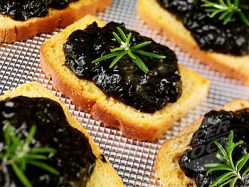 Laverbread is a Welsh delicacy of boiled seaweed, typically served on toast. Apparently it’s the first thing that Llareggub’s spirits of the dead inquire about:
“FIRST DROWNED
How’s it above?
SECOND DROWNED
Is there rum and laverbread?”
senna pods – herb commonly used as a laxative. In Llareggub, senna pods are suggested as punishment for a misbehaving child.
“THIRD NEIGHBOUR
Send him to bed without any supper
FOURTH NEIGHBOUR
Give him sennapods and lock him in the dark
THIRD NEIGHBOUR
Off to the reformatory”
kipper – a herring, a small oily fish commonly enjoyed as a snack by the working class, pre-WWII.
And in one of my favorite scenes, Miss Price describes her delicious breakfast:
“…Me, Miss Price, in my pretty print housecoat, deft at the clothesline, natty as a jenny-wren, then pit-pat back to my egg in its cosy, my crisp toast-fingers, my home-made plum and butterpat”
(I wouldn’t mind having a dab of that home-made plum butter)

A cosy is a cover for keeping things warm, especially eggs. (cozy, indeed!)
I love this little detail about the egg cosy, which is basically just a sweater for your food. How funny. It speaks volumes about the climate in Wales: it’s so cold even your food needs winter clothes!
A butterpat is simply a piece of butter formed into a ball or other ornamental shape for table use.
……………………..
There are also a number of textiles, tools and structures mentioned in the play that had me curious.
trousseaux – possessions such as clothing and linen that a bride assembles before her marriage. Curiously, “trousseaux” is derived from the French word for little bundle, which was commonly used to describe the sack of belongings fastened to a stick and carried by tramps.
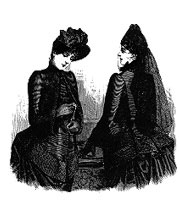 bombazine – a fabric of silk that is twilled or corded and used for dress-material. Although the fabric became unfashionable by the beginning of the 20th century, it was used typically for mourning wear. The churchgoers of Llareggub wear bombazine: “It is night in the chill, squat chapel, hymning in bonnet and brooch and bombazine black, butterfly choker and bootlace bow, coughing like nannygoats, sucking mintoes, fortywinking hallelujah”
anthracite – hard coal that burns with very little flame
ormolu – alloy of copper and zinc used to imitate gold. Used in clocks and lamps, also known as “gilt bronze”
byre – a shed for cows
truncheon – billy club, baton
besom -broom or brush commonly made of twig
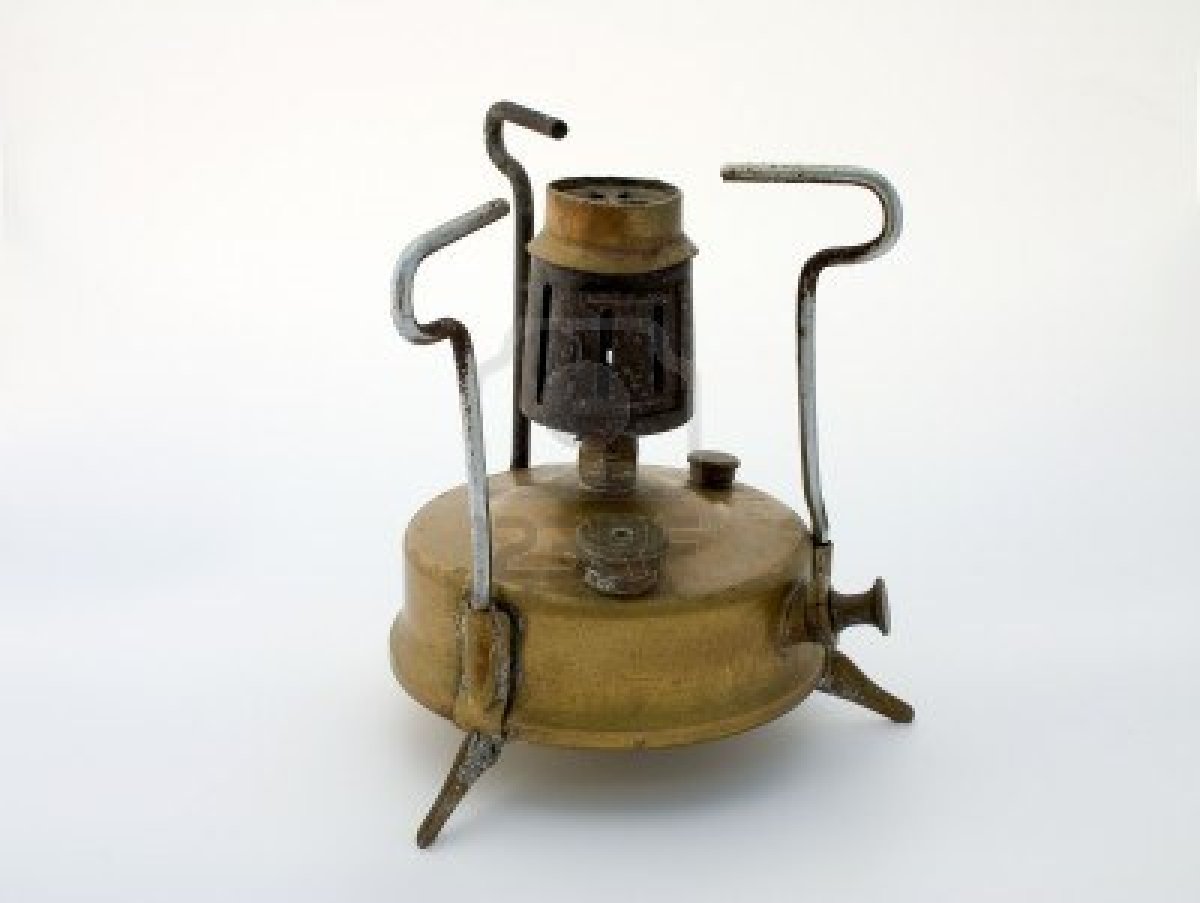
primus – a portable paraffin cooking stove, often used by campers. Paraffin is a word used in the U.K. and South Africa for the oil that Americans call kerosene.
…………
and of course, the Welsh fauna:
neddy – donkey
whippet – type of short-haired dog, physically similar to a small greyhound.
peke – short for Pekinese, the dog that Mr. Ogmore dutifully searches for fleas.
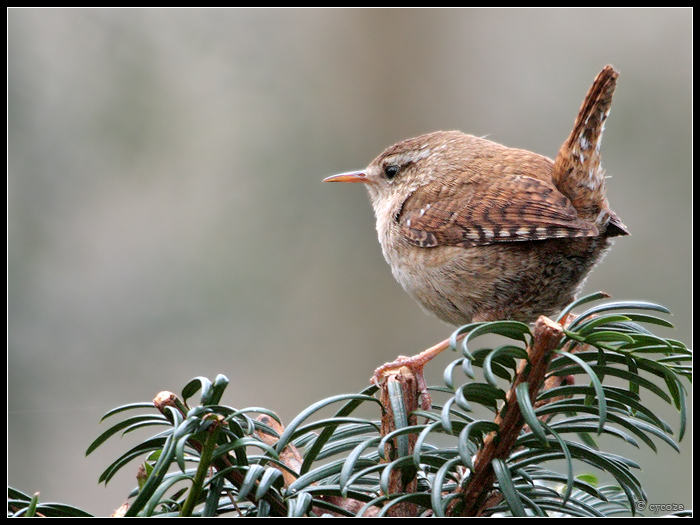
jenny-wren- a small brown bird with a white underside. very plain and nondescript.
And finally, Mr. Edwards, the draper, and his dizzying assortment of fabrics, all inferior to his beloved:
“I am a draper mad with love. I love you more than all the flannelette and calico, candlewick, dimity, crash and merino, tussore, cretonne, crepon, muslin, poplin, ticking and twill in the whole Cloth Hall of the world.”
A few:
merino – a type of sheep prized for its soft wool
crepon – a type of heavily crinkled fabric,
dimity – a lightweight, sheer cotton fabric, commonly used for curtains.
tussore – silk woven from the cocoons of wild Asian silkworms feeding on mountain shrub. The diet of the silkworms determines the quality and type of tussore.
candlewick – a traditional form of embroidery based on the Colonial knot.
muslin – a loosely woven cotton fabric which originated in India.
So Mr. Edwards is quite the worldly draper.
___________________________________________
I thoroughly enjoyed Under Milk Wood. To me, its dazzling array of sensations, tactile pleasures, colors and the unusual use of language puts it in the same neighborhood with other pranksters and playful creatives such as Picasso, Wes Anderson, Georges Perec or Julio Cortazar.
 keith fields
You must be logged in to post a comment.